Evidence-based keynotes on human sustainability, nervous system regulation, and the kind of leadership that gets stronger under pressure.
Speaking that restores ground.
Trusted by leaders at






Talented leaders are running out of capacity.
Ambition isn’t breaking down. Rather, it's the body’s ability to hold it. Leaders keep pushing through disruption, reorgs, and constant change, and the cost shows up quietly: shorter fuses, narrower thinking, brittle teams. This talk isn't about slowing down. It's about building the capacity to hold more — pressure, complexity, people — without getting lost in it.
Leading at Capacity
Why the Best Leaders Can Hold More, Not Just Push Harder
The ground is shifting under our feet. And leaders are hitting the limits of how much pressure, change, and complexity they can hold at once.
Traditional leadership says push through. But capacity doesn't grow from pushing, it grows from training, and we’re not training the right skills. Without them, leaders default to reactive patterns: narrowed thinking, snap decisions, control instead of creativity. And teams quietly absorb that pattern, whether leaders realize it or not.
The leaders who perform best under pressure aren't the calmest in the room. They're the ones who can hold the full weight of what's happening and still think clearly, stay creative, and lead from choice instead of reaction.
Drawing on applied neuroscience and organizational psychology, this session gives leaders practical skills to expand their capacity under pressure, and help their teams do the same.
Backed by Neuroscience
Constant stress shrinks what the body can handle.
Work stress wears down the body's ability to hold pressure without breaking down. 72% of leaders report burnout from nonstop stress.
—Frontiers in Psychology
A body stuck on high alert can’t perform at it’s best.
Stress limits thinking and emotional flexibility when leaders need them most. 90% of Fortune 100 leaders say stress is hurting their leadership.
—Shirzad Charmain, Positive Intelligence
Leading today means building the capacity to hold more.
Elite pilots, special operators, and Olympic athletes train themselves to perform under pressure. Business needs to catch up.
—National Geographic, Frontiers in Neuroscience
Key Takeaways
This session gives leaders practical, science-backed tools to expand their capacity under pressure and build teams that can do the same.
Leaders leave with:
A clear understanding of how stress narrows thinking, and what expands it
Tools to regain clarity and choice in real time during high-stakes moments
A way to spot when a team has quietly absorbed a leader's stress, before it shows up in performance
A framework for helping teams hold pressure without defaulting to reactive patterns
A reminder that wellbeing and performance under pressure go hand in hand
Language and practices that translate directly to executive environments
A Perfect Fit For

All-Managers gatherings during constant change – when leaders are absorbing disruption from every direction and need real tools, not more motivation.
Teams trying to "control the controllables" – this talk gives managers the inner skill that makes that mindset possible under pressure.
Companies living authenticity – wellbeing and performance aren't opposites here; this session shows how one fuels the other.
Managers who are tired, not under-skilled – when the struggle isn't capability, it's capacity, and pushing harder isn't the fix.
Organizations stacking change after change – reorgs, new tools, shifting priorities, where teams quietly absorb their leader's stress whether anyone names it or not.
People leaders who set the tone for everyone below them – because how a manager holds pressure becomes how their whole team holds pressure.
Meet Mieka
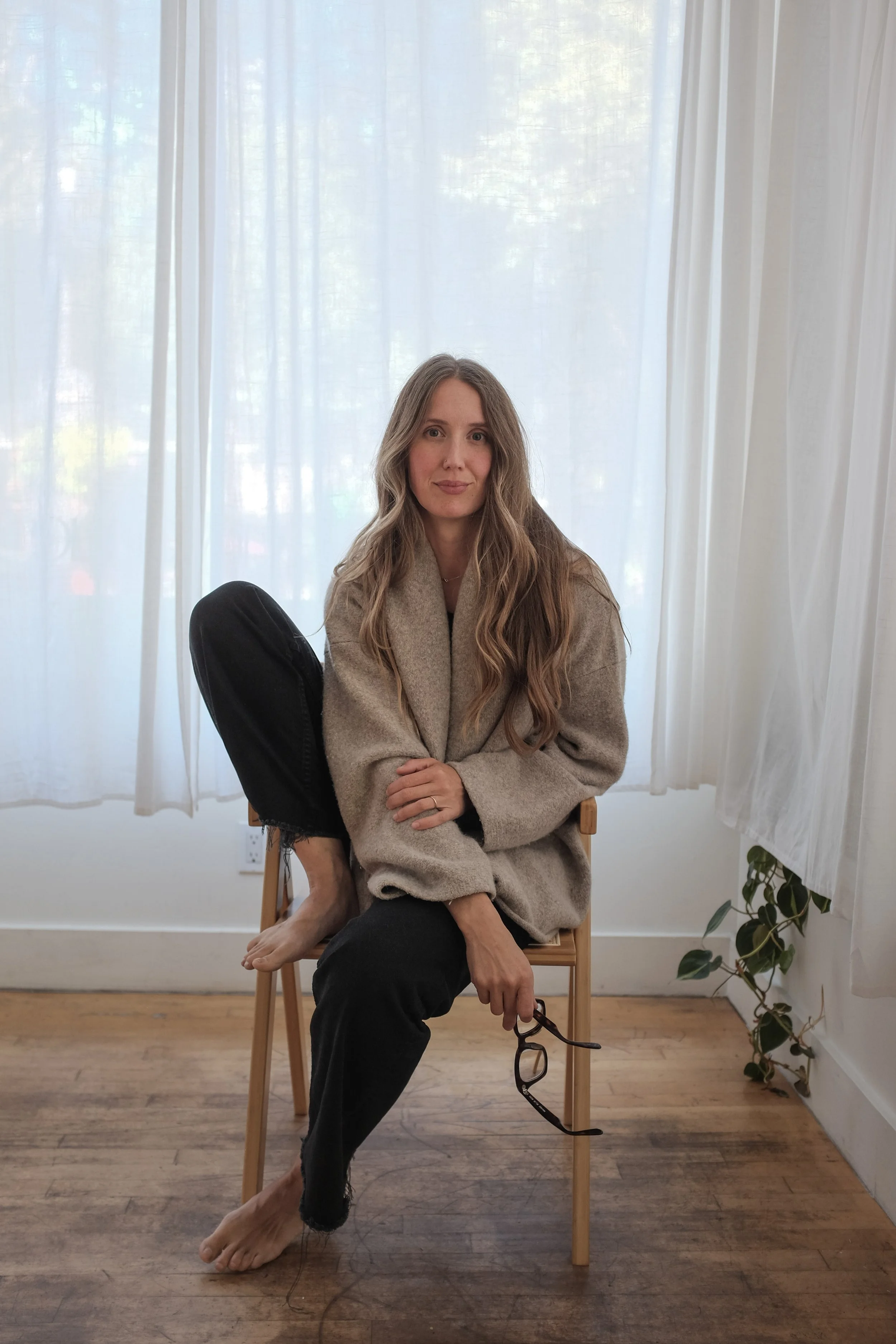
Mieka's mom nearly died from chronic stress in her 40s. Mieka recognized the same ambition in herself, and knew she didn't want to pay the same price. The question has guided her career ever since: how do wellbeing and performance interact?
Mieka started as a strategist and operator before becoming a behavioral scientist and executive coach focused on leadership, human sustainability, and performance under pressure. After years in high-stakes rooms with founders and executives, she kept seeing the same wall: talented leaders running out of capacity, not skill.
That's the gap she now helps leaders close, building the inner range to hold pressure and change without losing themselves in it.